Core Areas
Solutions Built for Growth
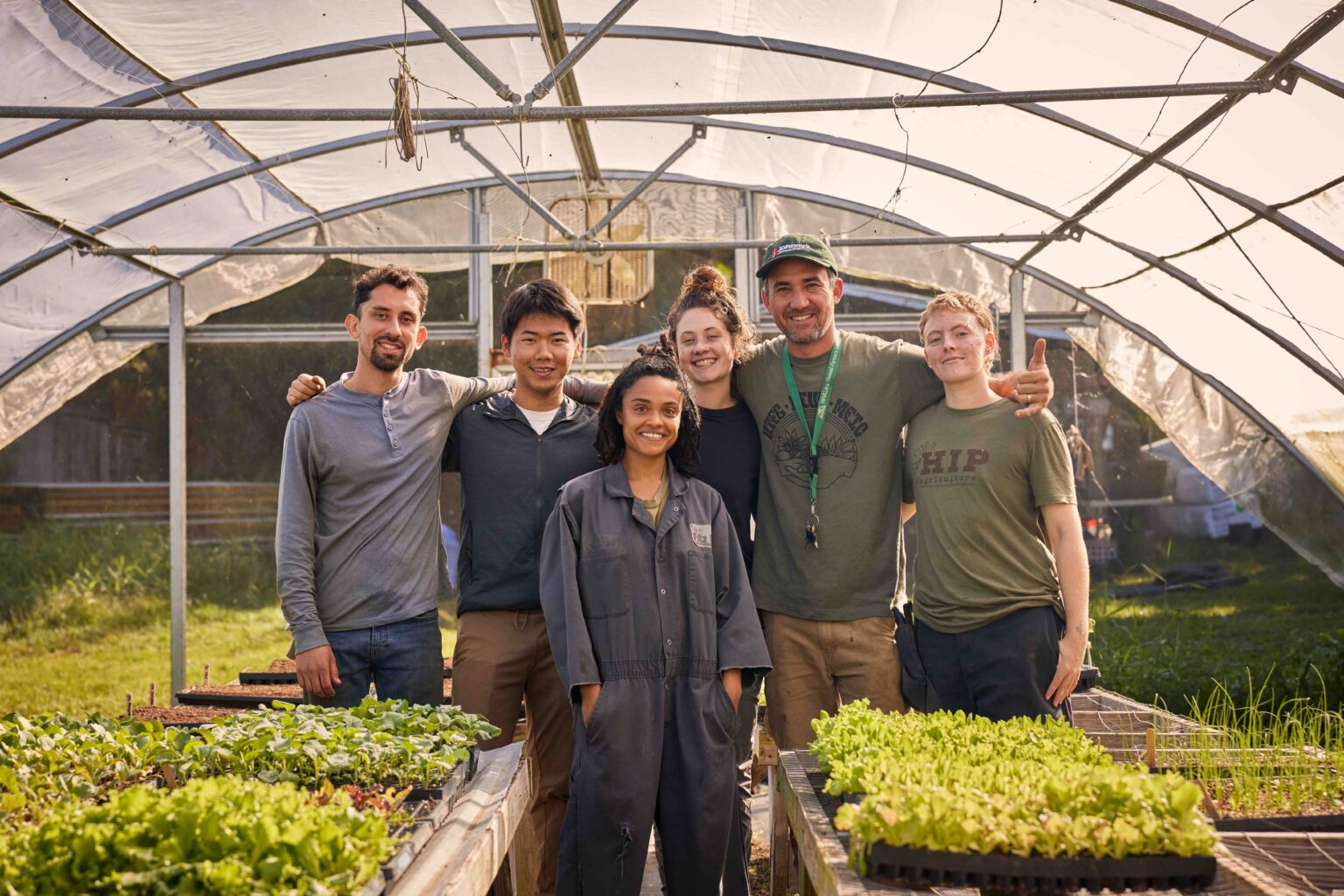
Our work combines practical field experience with forward-looking systems that help farms operate efficiently, sustainably, and at scale.
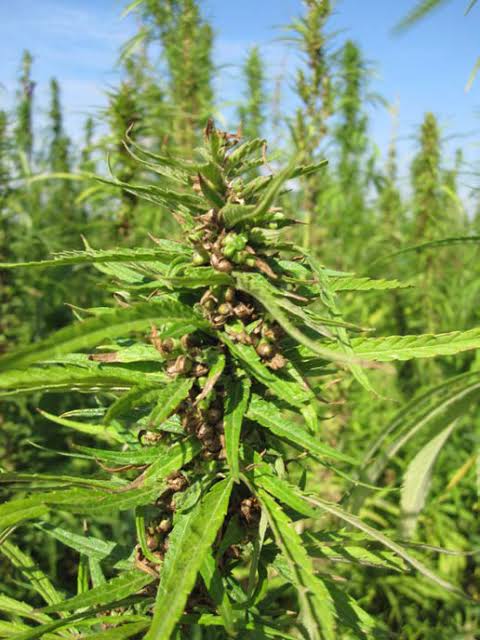
Organic Farming Operations
We manage cultivation with a focus on soil health, crop quality, responsible inputs, and dependable production practices that support long-term farm performance.
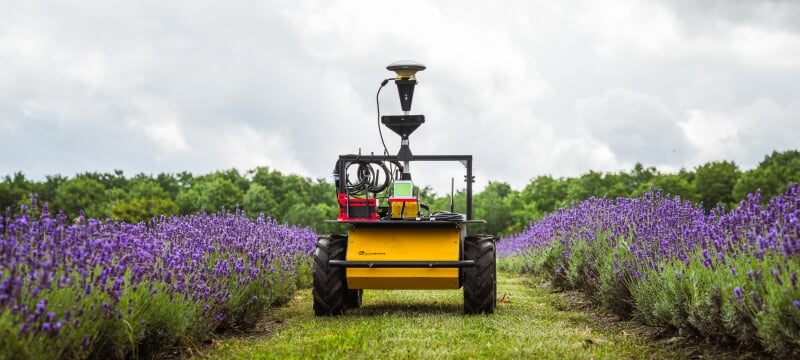
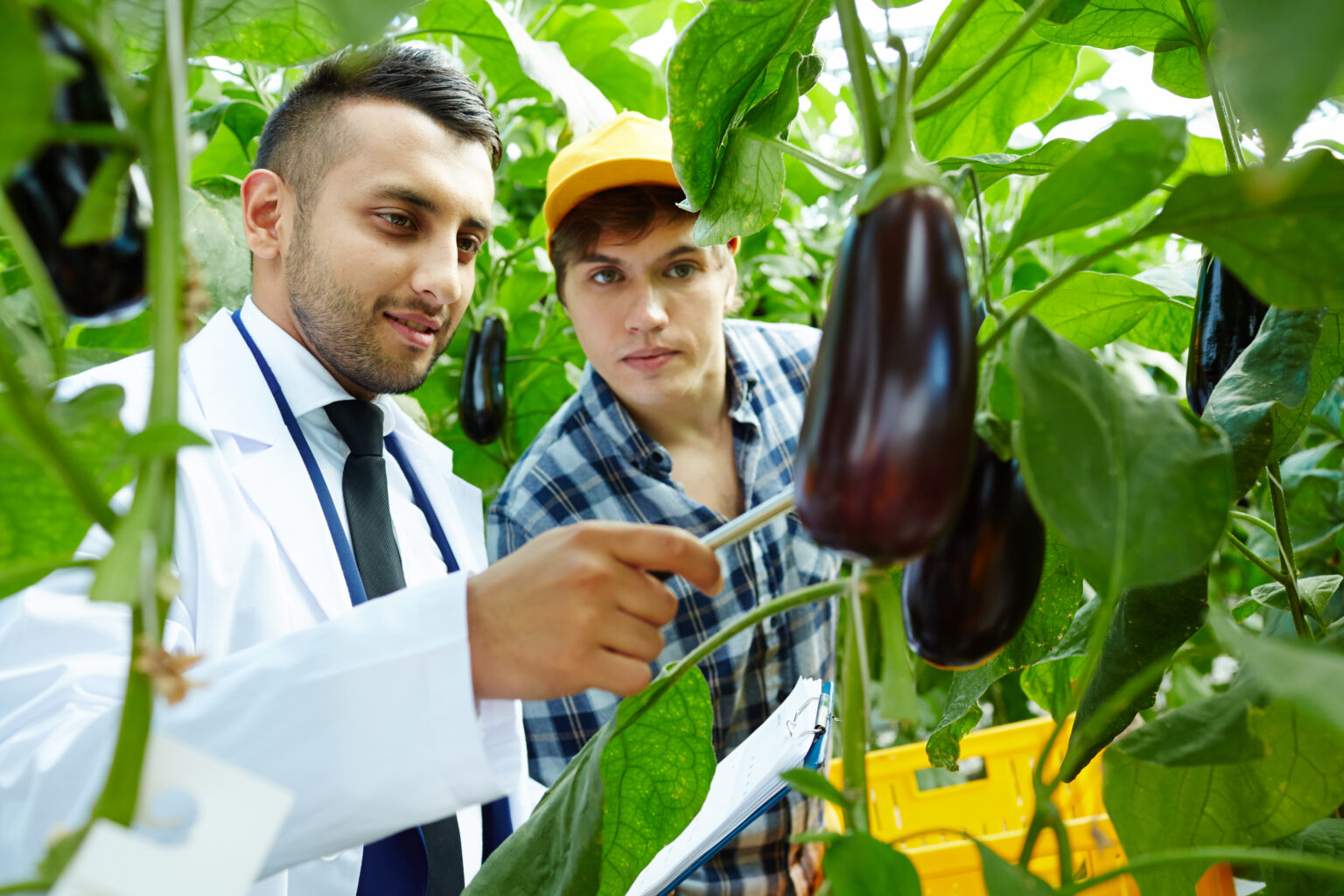
Agricultural Innovation
We apply modern growing methods, controlled environments, and data-informed decision making to improve consistency, efficiency, and adaptability across operations.
Green Carbon Bank Systems®
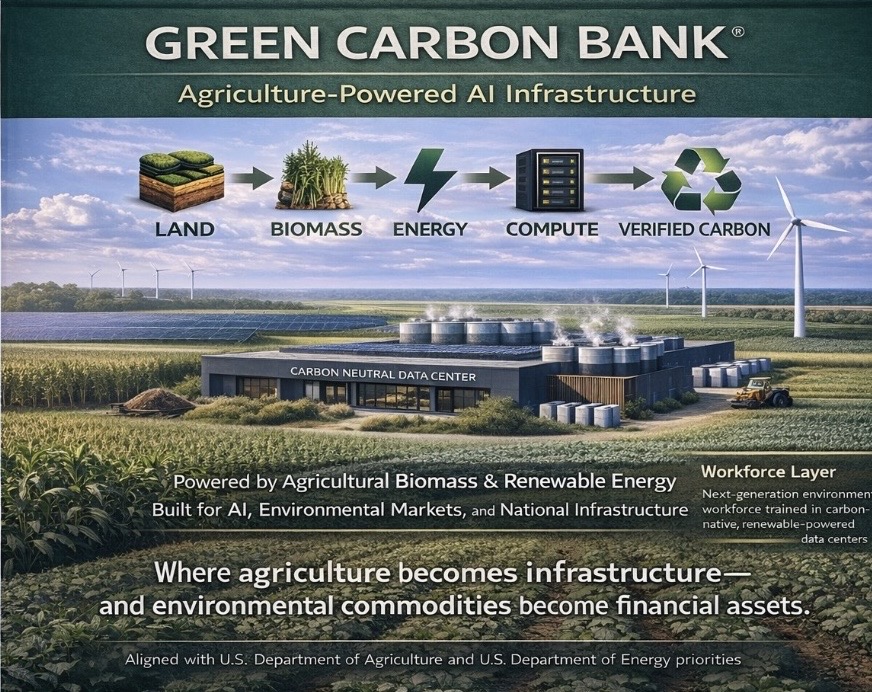
Infrastructure-Focused Solutions
We support the systems behind productive agriculture, aligning land use, facilities, and operational planning to create stronger foundations for sustainable growth.
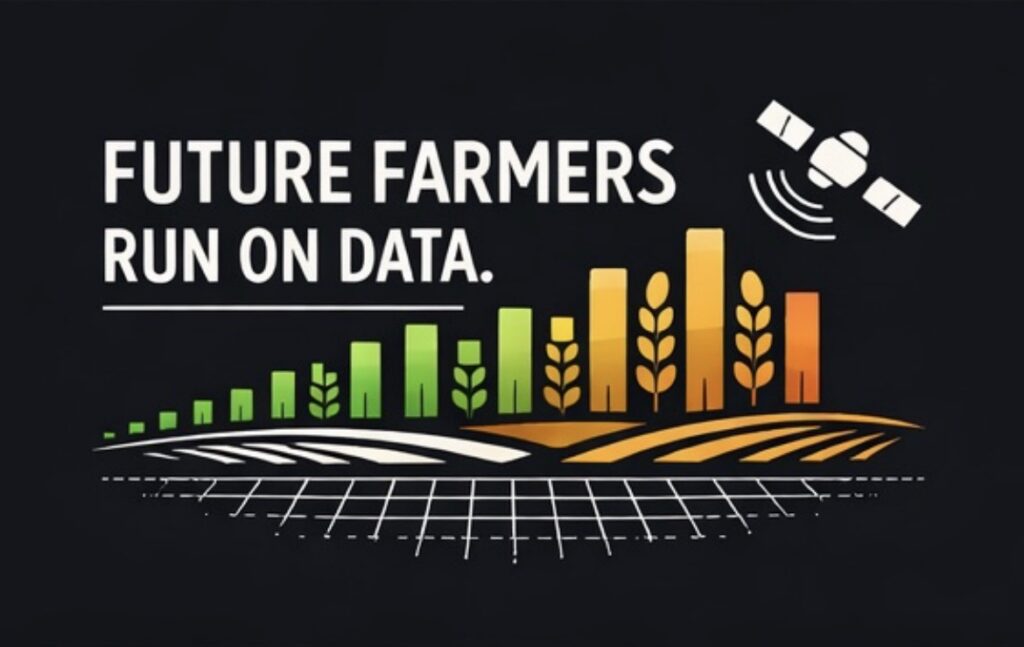
DELIVERS THE INFRASTRUCTURE BEHIND IT.
Green Carbon Bank Systems® integrates soil metrics and environmental performance data – with carbon as the flagship indicator – into the foundation of environmentally smart agriculture. By connecting satellite intelligence, field observations, and verified environmental outcomes, we empower farmers to make informed decisions that strengthen productivity, ecological integrity, and long-term land stewardship. This system transforms data into action, ensuring future farmers run on intelligence that supports both economic and environmental performance.
Approach
How We Create Value
Soil Metrics and Environmental Performance Data for Smarter Agriculture.
Intelligence from the Soil Up.
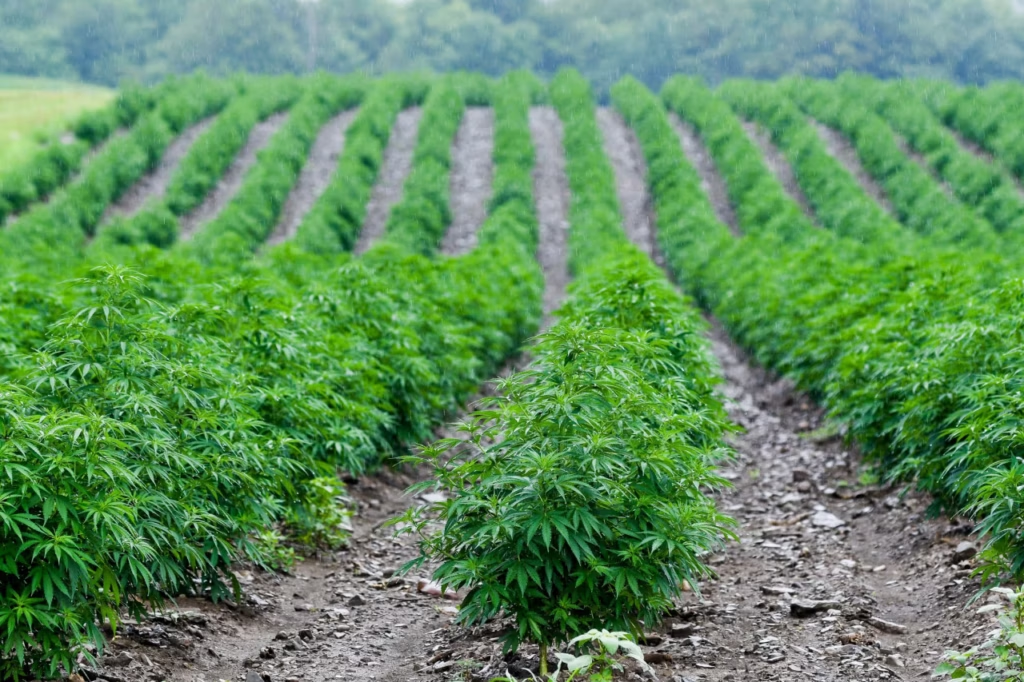
SEE THE WILD. STEWARD THE FUTURE.™
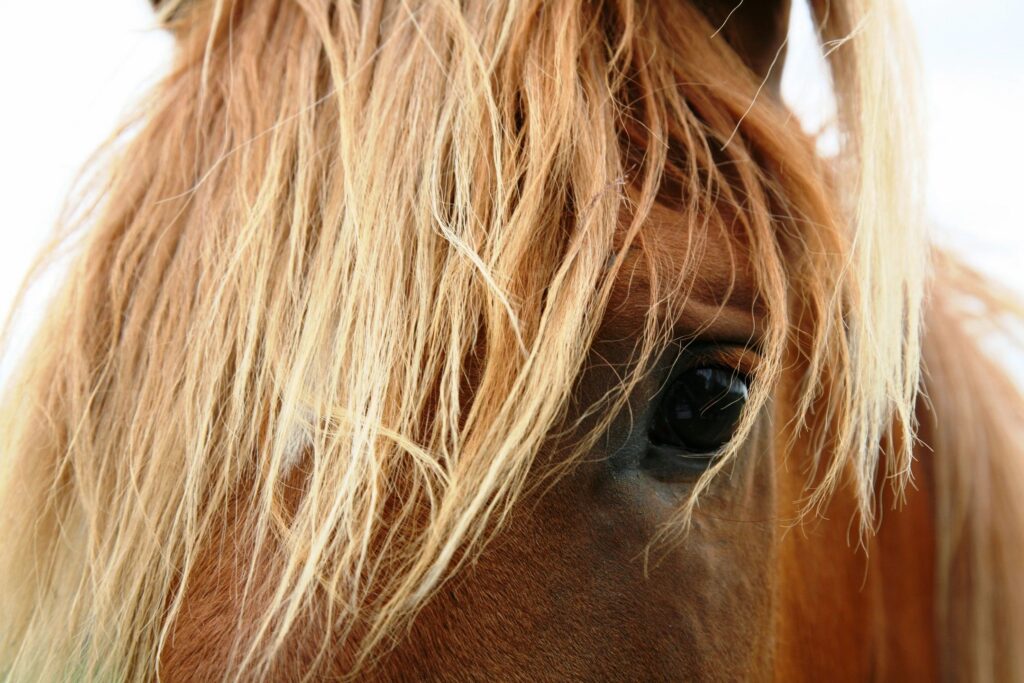
Rooted in History. Driven by Purpose. WILD at HEART! Believe in the American Mustang.
Responsible land stewardship for wild horses, burros, and the landscapes that sustain them.
The Wild Horses and Burro Stewardship Initiative reflects our commitment to responsible land management and humane care for America’s free-roaming herds. By supporting healthy rangelands, balanced ecosystems, and community-centered stewardship practices, we help protect these iconic animals while strengthening the agricultural landscapes that sustain them.
Stewardship
Wild Horses and Burro Stewardship Initiative
Green Rush Organic Farms® supports responsible land stewardship and humane care through its Wild Horses and Burro Stewardship Initiative. This work reflects our broader commitment to agriculture, environmental responsibility, and practical solutions that strengthen working landscapes while honoring the animals connected to them.
As GROF® expands its agricultural and equine infrastructure, we envision opportunities to support these remarkable animals through responsible land stewardship, agricultural workforce development, equine-care education, and collaboration with experienced trainers, adopters, community organizations, and public agencies.
Our commitment is rooted in a simple belief: protecting America’s agricultural heritage includes caring for the animals that helped shape it.
As part of this initiative, we invite visitors to explore horses and burros currently available through the Bureau of Land Management’s Wild Horse and Burro Online Corral.
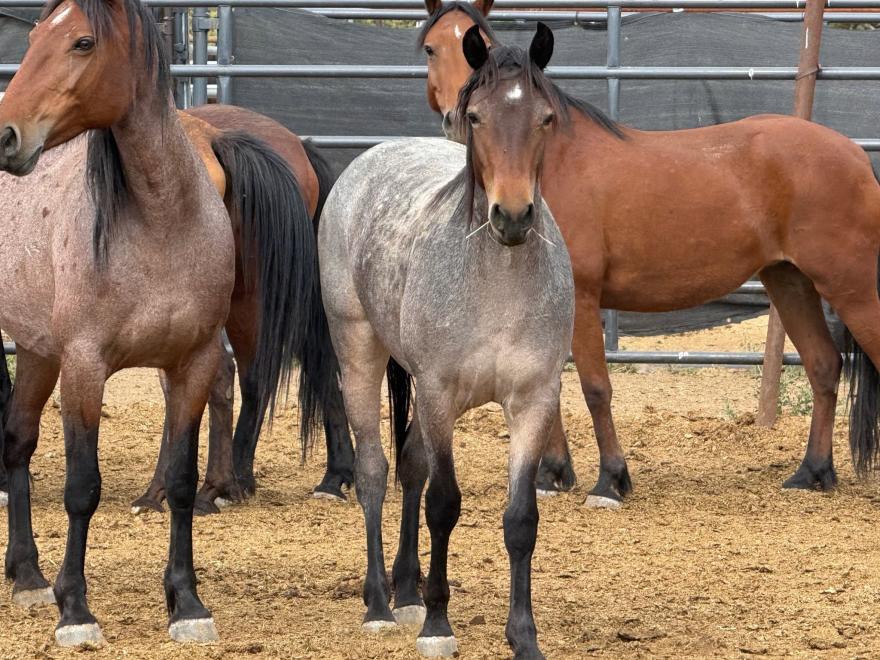
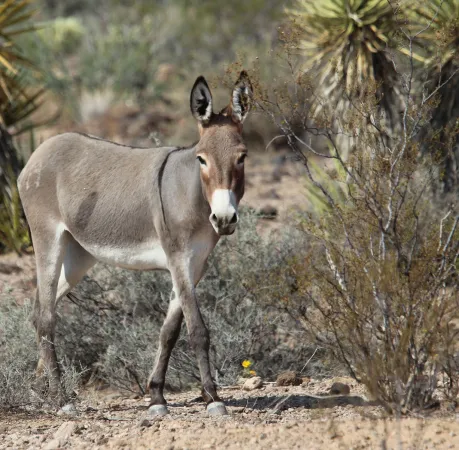
Wild horses and burros are available for adoption
One method to control wild horse herds is through adoptions to qualified people who can prove they will provide long-term care for the animals. Adopting a wild horse or burro is a structured process designed to ensure the adopter’s readiness to take on a wild horse or burro, and, above all, guarantee the animal’s safety and well being.
Below are the core requirements and rules you must meet to be able to adopt a wild horse or burro:
Basic eligibility requirements
- You must be at least 18 years old.
- You must have no convictions for inhumane treatment of animals or violations of the Wild Free Roaming Horses & Burros Act.
- The adopted animal must remain in the U.S. until titled, which occurs one year after adoption if all requirements are met.
Facility requirements:
You must provide a safe, appropriate facility with access to feed, water and shelter. “Facility” refers to an enclosed area such as a corral, barn or stall.
Minimum space and fencing standards are:
- 400 sq. ft. per animal for untrained horses (e.g., a 20′ × 20′ corral).
- 144 sq. ft. per animal for trained animals exercised daily (e.g., 12′ × 12′ stall).
Fence height requirements:
- 5 ft. for yearlings or gentled horses
- 6 ft. for ungentled horses age 2+
- 4.5 ft. for burros
Acceptable materials
- Pipe panels.
- Wood posts and planks (minimum 1.5″ thick).
- Horse-safe mesh fencing (V-mesh or 2″ × 4″ square).
Adoption vs. purchase
Most animals are available for adoption.
Horses 10 years or older, or those offered for adoption three times without being chosen, may be made available for purchase.
There are limits on the number of animals a person can adopt each year.
You can adopt through:
- In-person events.
- Off-range corrals.
- Authorized herd adoption centers.
- Online adoption notices.
Care and title transfer.
After adoption:
- You are provided an animal for one full year to ensure you are able to provide care.
- After the year and a successful compliance check and application for title, the forest will issue a title, transferring full ownership to you.
Wild Horse and Burro Corrals
Wild horse and burro adoption events include in-person, off-range corrals, authorized adoption centers, and online adoption notices. The Forest Service and Bureau of Land Management have corrals that are used for adoptions.
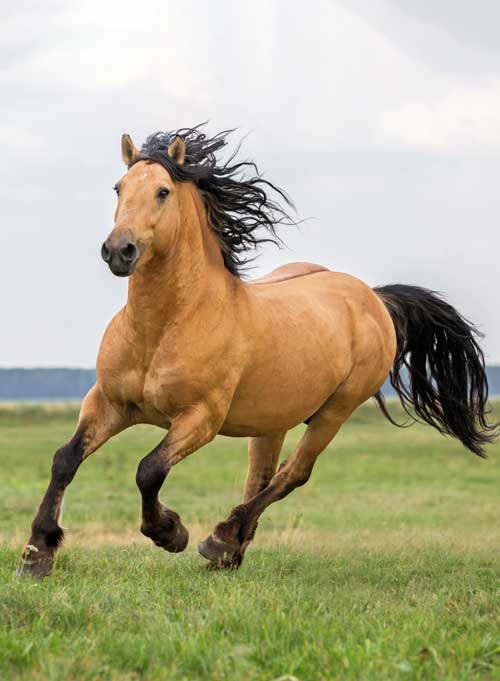
THUNDER UP! – STRENGTH IN MOTION, STEWARDSHIP IN ACTION.
Thunder Up embodies the spirit of strength in motion and stewardship in action. As the horse runs free, it symbolizes the momentum driving GROF® Inc. forward – connecting land, agriculture, and innovation through environmentally smart practices that honor both heritage and progress. This is the energy that powers our work across farms, facilities, and global markets.
Registered Apprenticeship Program (RAP)
A registered apprenticeship farm program is a structured, paid training path approved by the U.S. Department of Labor that combines hands-on farm work with technical classroom instruction.
The agriculture industry stands as a vital cornerstone of the economy and is critical to American food security. The industry faces significant opportunities to address critical workforce needs, from managing labor shortages to integrating AI and precision farming technologies. Registered Apprenticeship is a proven solution for employers to recruit, train, and retain American agriculture talent in good, quality jobs. Heading into 2026, there were 4,688 registered apprentices actively served in the agriculture industry, a 40% increase over the past 5 years.